How Fear Keeps Trafficking Hidden
Although experts warn that trafficking statistics only reflect a small fraction of actual cases, human trafficking is still considered a serious global human rights crisis. Due to a variety of systemic and social and psychological obstacles, many survivors never get in touch with law enforcement or support services. Understanding why trafficking is underreported is essential to developing useful prevention strategies and ensuring survivors can safely seek help.
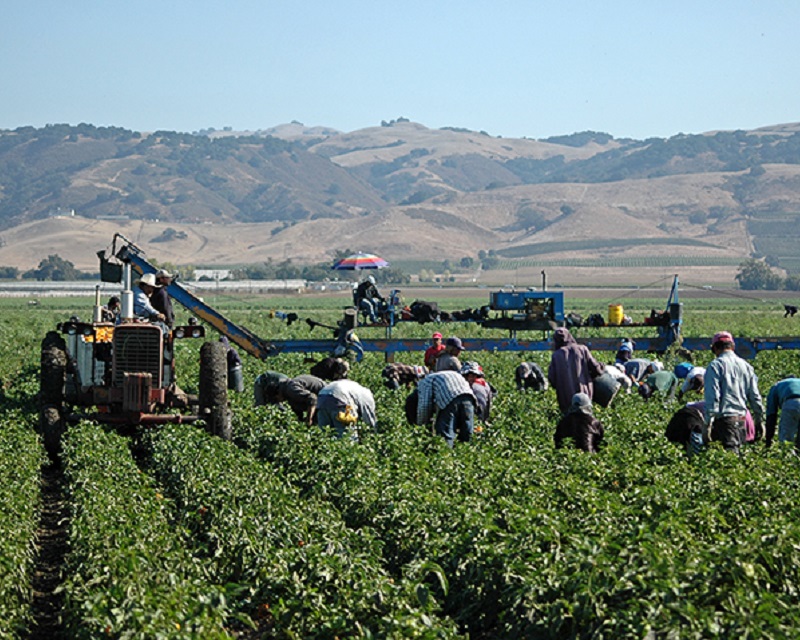
One of the challenges in addressing human trafficking is the gap between estimated and reported cases. According to the International Labour Organization (ILO), nearly 28 million people worldwide were living in forced labour conditions in 2021, many victims of trafficking. Canada reports that human trafficking cases remain significantly underreported, with many incidents never reaching the criminal justice system. Labour trafficking, in particular is often overlooked compared to sex trafficking, partly because it occurs in industries such as agriculture, and construction where exploitation may be hidden within legitimate workplaces.
Fear of legal consequences is one of the primary reasons survivors do not report their experiences. Many victims, particularly migrants or individuals with uncertain immigration status, fear deportation or arrest if they contact authorities. Some traffickers reinforce this fear by threatening survivors with legal punishment or telling them that they will be put in prison if they seek help. Survivors may also have previous negative experiences with law enforcement in their home countries or communities, which creates mistrust. In some cases, survivors may have been forced to participate in illegal activities while under exploitation, further increasing their fear of going to jail. These concerns can make reporting trafficking feel more dangerous than remaining silent.
Manipulation and trauma also play a major role in underreporting. Trafficking rarely begins with physical violence, instead, traffickers often use grooming, manipulation, and financial control to make the victim more dependent on them. Survivors may develop trauma bonds with their traffickers, a psychological response where victims form emotional attachments to people who exploit them. This can make it extremely hard for survivors to see their situation as trafficking or feel able to leave. Traffickers often isolate victims from family, friends, and support networks making it harder for survivors to access information or help.
Another barrier is the lack of awareness and access to support services. Many survivors do not recognize that what they are experiencing meets the legal definition of trafficking, particularly when exploitation occurs through deception rather than physical force. Language barriers, cultural stigma, and limited knowledge of available resources can prevent victims from seeking help. In some places, access to shelters, healthcare, and legal assistance remains limited, especially for youth and migrants. Without accessible and culturally appropriate support systems, survivors may feel they have no safe options for escape.
Advocacy organizations and survivor-led groups say that improving reporting rates requires systemic change. Many experts recommend trauma-informed approaches that prioritize survivor safety, autonomy, and dignity. This includes training law enforcement, healthcare workers, and social service providers to see the signs of trafficking and respond without judgment. Strengthening legal protection for survivors, particularly those related to immigration status, can also reduce fear and encourage reporting. Public education campaigns and community outreach programs play an important role in increasing awareness and helping individuals recognize trafficking situations earlier. Survivors and advocacy groups also stress the importance of long-term support services, including housing, mental health care, and employment opportunities, to help individuals rebuild their lives after exploitation.
Human trafficking remains one of the most hidden forms of exploitation, not because survivors are unwilling to speak, but because systemic barriers often prevent them from doing so safely. Underreporting reflects failures in legal systems, social services, and public awareness. Addressing these barriers requires effort from governments, organizations, and communities to create environments where survivors feel safe and supported in seeking help. By understanding the reasons trafficking remains underreported, we can move closer to finding solutions that protect the victims and hold traffickers accountable.
International Labour Organization & Walk Free & International Organization for Migration. (2022). Global estimates of modern slavery: Forced labour and forced marriage. International Labour Organization. https://www.ilo.org
Public Safety Canada. (2019). National strategy to combat human trafficking 2019–2024. Government of Canada. https://www.publicsafety.gc.ca
Statistics Canada. (2023). Trafficking in persons in Canada, 2022. Government of Canada. https://www150.statcan.gc.ca
United Nations Office on Drugs and Crime. (2022). Global report on trafficking in persons 2022. United Nations. https://www.unodc.org
Polaris. (2021). Barriers to reporting human trafficking and accessing services. Polaris Project. https://polarisproject.org
Anti-Slavery International. (2021). Human trafficking and survivor support research. https://www.antislavery.org